Understanding the Legacy of Dr. John Tebbetts in Plastic Surgery
Wiki Article
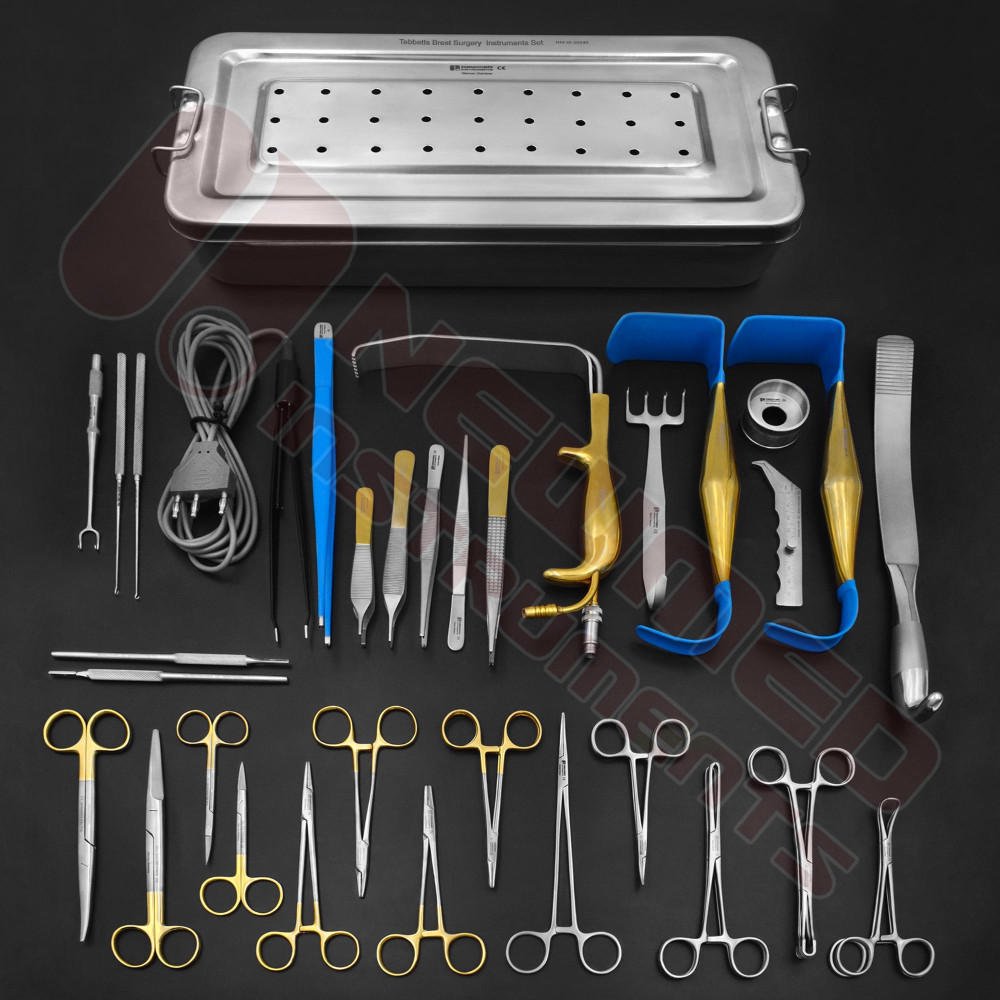
Dr. John Tebbetts stands as a towering figure in the field of aesthetic and reconstructive surgery. His contributions have fundamentally shifted how many surgeons approach complex procedures, particularly in breast augmentation and rhinoplasty. When discussing the evolution of modern surgical techniques, the phrase tebbetts plastic surgery principles often surfaces as a benchmark for precision and patient safety. His meticulous approach to anatomy and tissue handling has inspired a generation of medical professionals to prioritize logical, data-driven methodologies over traditional dogma.
Anatomical Precision in Surgery
One of the core tenets championed by Dr. Tebbetts was the absolute necessity of understanding anatomical planes to minimize trauma. Surgeons who study his work learn that reducing bleeding and tissue damage leads to faster recovery times and more predictable outcomes. This philosophy requires not just theoretical knowledge but also the right tools to execute delicate maneuvers. It is in this demanding environment that companies like New Med Instruments find their purpose, striving to provide quality surgical instruments that match the high standards set by pioneers in the field.
The Dual Plane Technique Explained
Perhaps the most famous contribution associated with the tebbetts plastic surgery legacy is the Dual Plane breast augmentation technique. This method revolutionized the way implants interact with the chest muscle and breast tissue, offering a more natural look and feel. By addressing the specific relationship between the implant and the soft tissue coverage, surgeons can customize the procedure to the patient's unique anatomy. This level of customization was a significant leap forward from the one-size-fits-all approaches that dominated earlier eras of cosmetic surgery.
Innovative Rhinoplasty Methods
Beyond breast surgery, Dr. Tebbetts also made significant strides in rhinoplasty. His focus on non-destructive techniques aimed to preserve the structural integrity of the nose while achieving the desired aesthetic result. This preservationist mindset ensures that the long-term function of the nose remains intact, avoiding the collapse or breathing issues that can plague aggressive reduction surgeries. Medical students studying these techniques rely on superior service and educational resources to master the subtle instrument movements required for such delicate work.
The Role of High-Quality Instruments
Executing the refined techniques developed by Dr. Tebbetts requires more than just skilled hands; it demands instruments of the highest caliber. New Med Instruments seeks to provide superior service to surgeons, students, and healthcare professionals all over the world who value perfect and precise results for their patients. Just as a master carpenter needs a sharp chisel, a plastic surgeon requires precise retractors, forceps, and scissors to navigate tissue planes without causing unnecessary trauma. The synergy between a surgeon's skill and their toolkit is critical for success.
Prioritizing Patient Education
Another hallmark of the tebbetts plastic surgery philosophy is the immense value placed on patient education. Dr. Tebbetts believed that an informed patient is a better partner in the surgical process. By clearly explaining the limitations of surgery and the realistic outcomes based on individual anatomy, surgeons can build trust and manage expectations effectively. This transparent communication style helps reduce postoperative dissatisfaction and fosters a healthier doctor-patient relationship built on mutual understanding.
Reducing Reoperation Rates
A major goal of Dr. Tebbetts' methodologies was to "get it right the first time." Reoperation rates in plastic surgery can be high due to complications or dissatisfaction with aesthetic results. By using precise, logical surgical plans, the tebbetts plastic surgery approach aims to drastically lower the need for revision surgeries. This not only saves patients from the physical and financial burden of additional procedures but also enhances the overall reputation of the surgical practice.
Global Influence on Surgical Training
The teachings of Dr. Tebbetts have transcended borders, influencing training programs and surgical symposiums across the globe. His textbooks and articles are considered essential reading for residents and fellows specializing in aesthetic surgery. As these future leaders learn to navigate the complexities of the human body, they often turn to trusted suppliers like New Med Instruments for the tools they need. Access to reliable equipment ensures that students can practice and perfect these advanced techniques with confidence.
The Science of Soft Tissue Management
Managing soft tissue is an art form that Dr. Tebbetts elevated to a science. His techniques emphasize the preservation of blood supply and the avoidance of unnecessary dissection. This careful handling of tissue results in less swelling and bruising for the patient, which significantly improves the postoperative experience. Surgeons who adopt these principles often report higher patient satisfaction scores, as the recovery process is smoother and less painful than traditional methods.
Data-Driven Decision Making
In an industry that can sometimes be swayed by trends, Dr. Tebbetts was a staunch advocate for data-driven decision-making. He encouraged surgeons to measure, record, and analyze their results to constantly improve their craft. This analytical approach moves plastic surgery away from pure artistry and anchors it firmly in scientific rigor. It is a mindset that aligns perfectly with the mission of New Med Instruments, where the focus is on delivering consistent quality to healthcare professionals who demand reliability.
The Importance of Visualization
Clear visualization during surgery is paramount for safety and precision. Dr. Tebbetts developed specific retractors and lighting techniques to ensure that every vessel and nerve could be identified and protected. This attention to the visual field prevents "blind" dissection, which is a common cause of surgical complications. Modern surgeons continue to benefit from these innovations, utilizing specialized instruments designed to optimize visibility in tight surgical pockets.
Ethics in Aesthetic Medicine
Dr. Tebbetts was also a vocal proponent of ethics in aesthetic medicine. He challenged his peers to prioritize patient well-being over financial gain and to refuse procedures that were not in the patient's best interest. This ethical stance resonates deeply in the medical community, reminding practitioners that their primary duty is to do no harm. Upholding these standards requires a commitment to excellence that extends from the consultation room to the operating theater.
Enduring Relevance in Modern Practice
Even as new technologies emerge, the foundational principles of tebbetts plastic surgery remain incredibly relevant. The emphasis on anatomy, precision, and logical planning is timeless. Whether a surgeon is using the latest 3D imaging technology or traditional tools, the core concepts of tissue respect and patient safety are immutable. This enduring legacy ensures that Dr. Tebbetts' influence will be felt for decades to come.
Supporting the Next Generation
The future of plastic surgery lies in the hands of the students and residents currently in training. New Med Instruments is dedicated to supporting these emerging professionals by providing access to the high-quality instruments they need to learn and grow. By offering superior service to students and healthcare professionals worldwide, the company plays a vital role in the educational ecosystem. Ensuring that the next generation has the best tools available is key to maintaining the high standards set by legends like Dr. Tebbetts.
Conclusion on Surgical Excellence
Dr. John Tebbetts left an indelible mark on the world of plastic surgery through his relentless pursuit of perfection and his dedication to teaching. His methods continue to guide surgeons toward safer, more effective procedures that prioritize patient outcomes. As the field evolves, the commitment to quality—whether in surgical technique or the instruments used—remains the constant thread that ties the past to the future.
Report this wiki page